





Witnessing the Arctic: The Fragility of Polar Bears
Spending months in Svalbard in 2025 was more than an adventure - it became a deeply personal encounter with a landscape and wildlife both majestic and vulnerable. Our Nordisk Hero, Sebastian Lehrke, remained there throughout June, July, and August, nearly the entire Arctic summer, supporting an expedition team in their daily work while documenting the region’s nature and wildlife as an on-ship photographer.

The first emotional reaction to encountering polar bears in the wild
“Honestly, my first reaction was: “Where are they? I cannot see them!”"
Spotting a polar bear in Svalbard is far harder than most people imagine. Their creamy-white fur blends almost perfectly with sea ice, snowfields, and fog, turning the largest land predator on Earth into a moving illusion. Add the vastness of the Arctic landscape and the bear’s solitary, patient nature, and it becomes clear why days can pass without a single sighting. In the Arctic, the environment is so immense that even giants can disappear.
The photos may appear quite close, but they were taken with high-end photo equipment and are often heavily cropped. There are strict regulations in place in Svalbard when spotting Polar Bears. Approaching them closely is no longer allowed, as it puts both humans and the bears at serious risk. Polar bears are unpredictable apex predators, and close encounters can escalate in seconds, often ending with the bear being injured or killed “for safety reasons.” Strict distance rules protect the animals from stress and disturbance, especially during hunting or when mothers are with cubs. In Svalbard, these regulations exist to ensure that polar bears remain truly wild - not habituated to humans - and that future encounters stay rare, respectful, and safe.

When the fragility of the polar bears hit with full force
There was a moment on the trip when the fragility of the polar bear’s world hit me with full force. We had been scanning the horizon for hours, hoping to spot them on the sea ice, only to realize that much of the ice now lies far to the north - farther than it used to be - leaving the bears with shrinking hunting grounds. Instead of roaming the ice, we started seeing them closer to settlements, drawn by necessity rather than curiosity. A clear reminder that their natural habitat is disappearing.
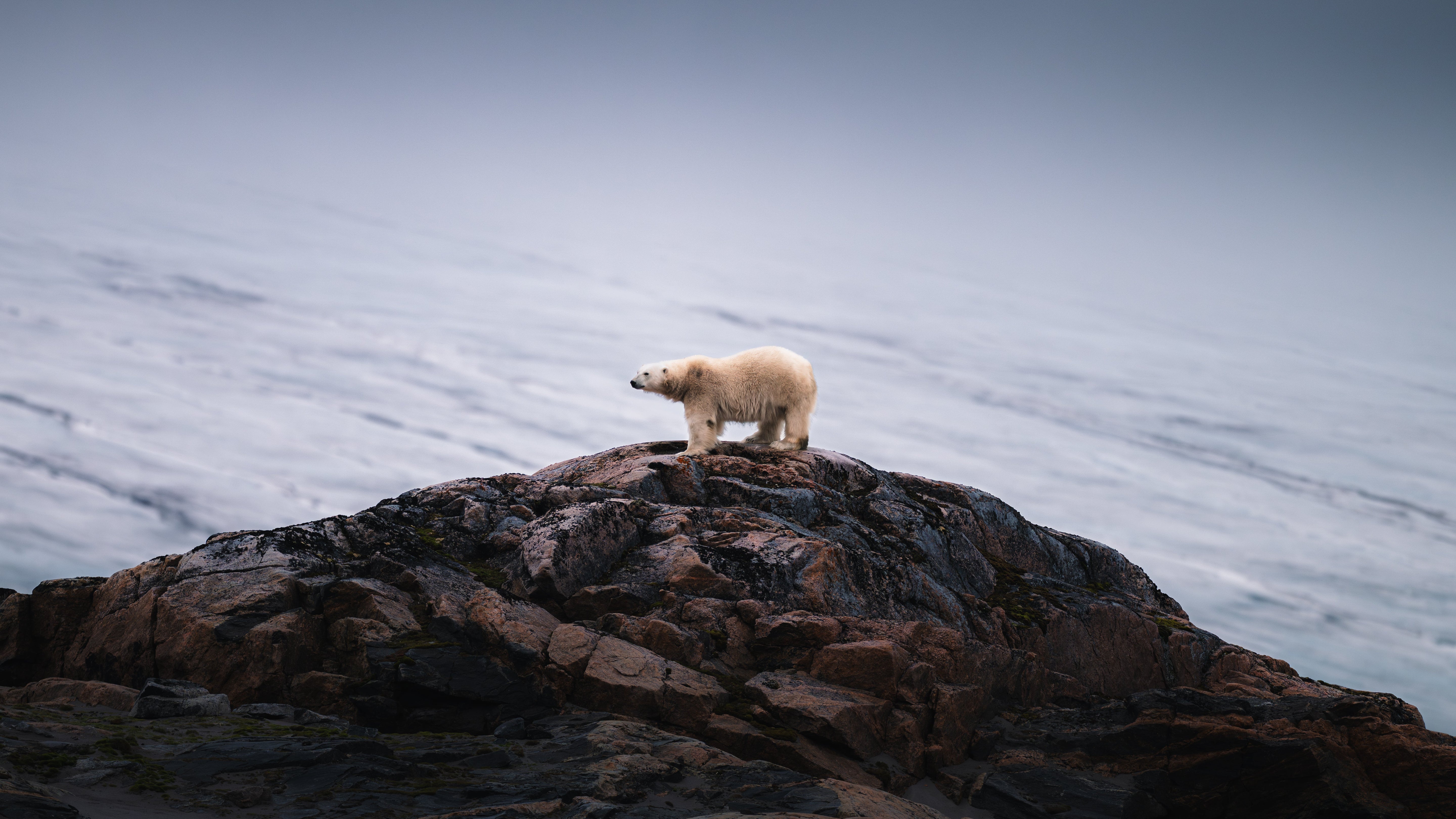
One sight in particular will stay with me for longer. A polar bear standing in front of a glacier, but not on the ice as it once might have. Rather on bare, exposed rock. It was a striking, almost surreal image - beautiful and heartbreaking at the same time. A silent testament to the rapid changes in the Arctic and the delicate balance these magnificent animals now struggle to maintain.
Each shot was a record of vulnerability
Photographing polar bears in their natural environment changed how I view our responsibility toward the Arctic. Seeing them live, in real scale and context, brings a clarity that no documentary or photo ever could. It’s one thing to watch on a screen, and another to witness the bears navigating a landscape shrinking before their eyes. Experiencing their world firsthand makes you realize how delicate these ecosystems are and how directly human actions impact them. Each shot I took felt like a record not just of beauty, but of vulnerability, and it made the responsibility to protect these animals and their habitat feel immediate and personal.

Climate changes were impossible to ignore
The changes in the Arctic were impossible to ignore, especially when it came to the glaciers. Having visited some of the same glaciers over the years, the difference was crazy. Glaciers had retreated noticeably, leaving bare rock and moraine where ice once dominated. Even early in the summer, much of the sea ice was already gone, far earlier than historical norms. Wildlife behavior reflected this too. Polar bears were forced closer to shore, and birds and seals seemed to shift their patterns in response to the changing ice. The landscape felt fragile, a visible reminder that the Arctic is warming faster than almost anywhere else on Earth.
One message to remember on International Polar Bear Day
On International Polar Bear Day, I want people to remember that these magnificent animals are a visible symbol of a fragile Arctic under a serious threat, and that every choice we make affects their future. Protecting their habitat means protecting the planet itself — because what happens in the Arctic doesn’t stay in the Arctic in the long run.

Read more
How to build a perfect campsite
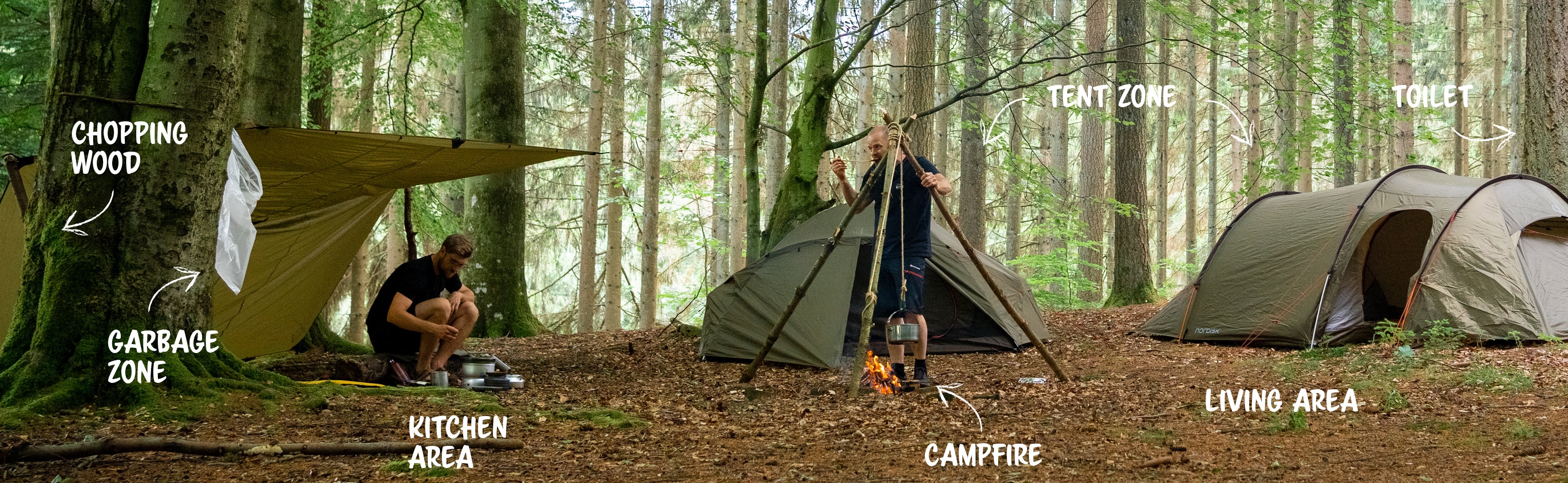
A good campsite must be practical, safe and functional, but at the same time it should also be a nice place with a good atmosphere. When building and organizing a campsite for a bigger group divide...
Read more
Nordisk: the essence of outdoor adventure and Scandinavian clarity
For 125 years, Nordisk has stood for outdoor experiences, blending functionality, durability, and a clean Scandinavian design into every piece of equipment we create. From ultralight tents that van...
Read more