
Article: Sleeping bags: Your essential guide to choosing the perfect outdoor companion
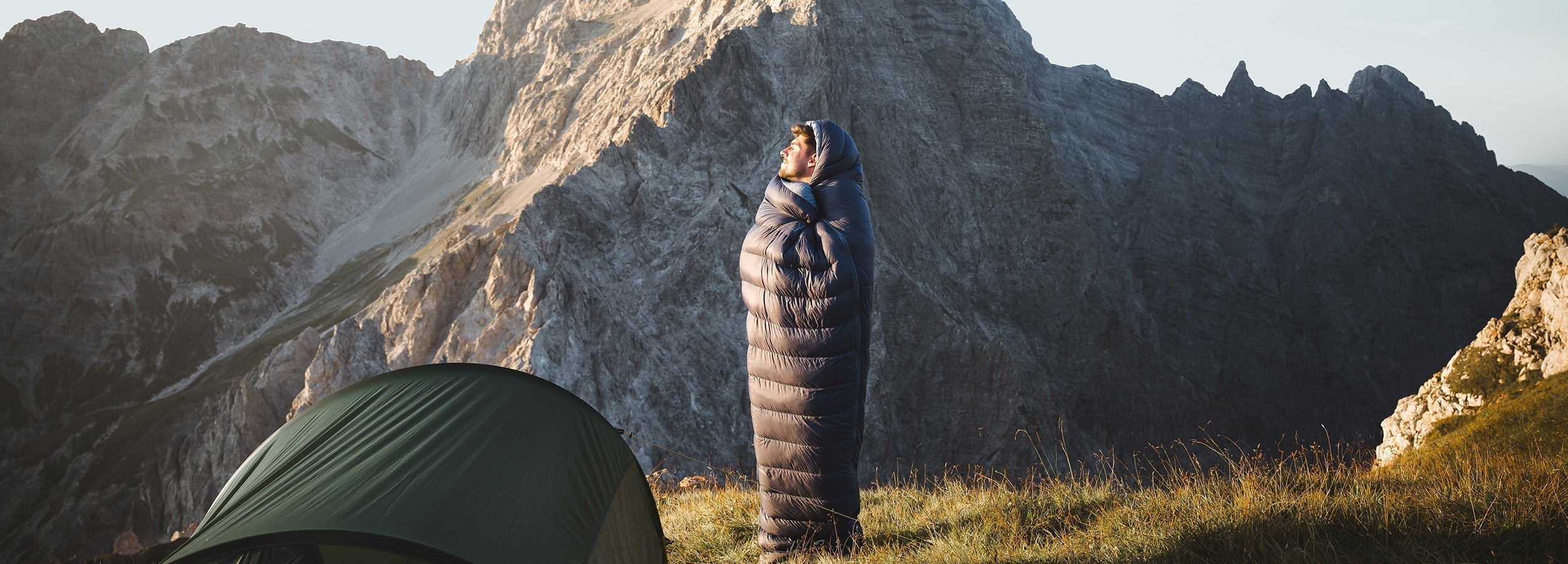
At Nordisk, we believe that a good night's sleep is the cornerstone of any successful outdoor adventure. That’s why we’ve dedicated ourselves to crafting high-quality sleeping bags designed for comfort, functionality, and durability. Since 1901, we’ve been equipping adventurers with reliable gear, and our range of sleeping bags is no exception. Whether you’re heading out for a summer campout or a challenging winter expedition, understanding the key features of sleeping bags will help you make the best choice for your needs.
Choosing the right sleeping bag might seem straightforward, but with various types, materials, and temperature ratings available, it can become a complex decision. This guide aims to simplify the process, helping you select a sleeping bag that ensures you wake up rested and ready for your next adventure.

One of the most critical factors when selecting a sleeping bag is its temperature rating. This rating indicates the lowest temperature at which the sleeping bag is expected to keep an average person warm and comfortable. European standards, like the EN 13537 (now ISO 23537-1), provide a consistent way to compare different sleeping bags.
When choosing a sleeping bag, always consider the comfort rating for your expected sleeping conditions and personal preferences. It's always better to have a slightly warmer sleeping bag than one that leaves you shivering.
The insulation inside your sleeping bag plays a significant role in its warmth, weight, and packability. We primarily use two types of fill: down and synthetic.
Down insulation, particularly high-quality European down, offers exceptional warmth-to-weight ratio and is highly compressible. Our down sleeping bags are filled with RDS-certified European down. The "fill power" of down indicates its fluffiness and ability to trap air, which provides insulation. Down is ideal for cold, dry conditions where minimal weight and bulk are crucial.
Pros of down sleeping bags:
Cons of down sleeping bags:
Synthetic insulation, made from polyester fibers, is a more affordable alternative to down. It performs better in damp conditions, retaining much of its insulating power even when wet. Synthetic sleeping bags are also easier to care for and are often chosen for general camping and situations where unexpected moisture might be a factor.
Pros of synthetic sleeping bags:
Cons of synthetic sleeping bags:
Sleeping bags come in various shapes, each offering different benefits in terms of warmth, comfort, and packability.
Consider your sleeping style and the environment when choosing the shape of your sleeping bag. For ultimate warmth and packability, mummy bags are usually the way to go for your cold-weather sleeping bags.

Beyond insulation and shape, several other features contribute to the overall performance and usability of your sleeping bag. These details can make a big difference in your outdoor experience.
The outer shell of a sleeping bag needs to be durable and often water-resistant, while the inner lining should feel comfortable against your skin. Many of our garments, like the Rai Black jacket, feature a DWR (Durable Water Repellent) finish on the shell fabric, a technology often applied to sleeping bags to protect against moisture. The fabric composition, such as polyamide for the shell and polyester for the lining, is chosen for its strength, breathability, and comfort.
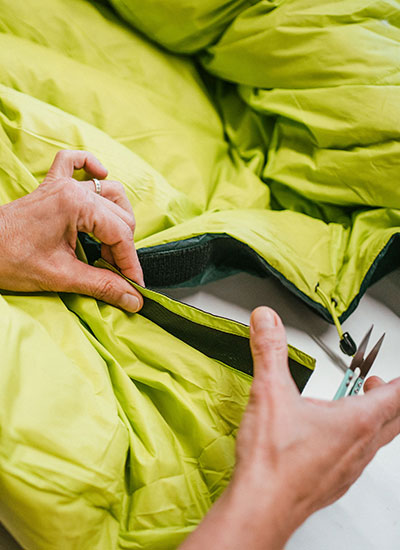
High-quality zippers are crucial for durability and ease of use. A full-length zipper allows for ventilation in warmer conditions. Many sleeping bags also feature a draft collar or baffle along the zipper to prevent heat loss, a small but significant detail for staying warm. An insulated draft tube along the zipper and an insulated collar around the neck help seal in warmth.
An adjustable hood is vital for retaining heat, as a significant amount of body heat is lost through the head. A well-designed footbox provides insulation and space for your feet, preventing them from being compressed and cold. Look for sleeping bags with ergonomic hood and footbox designs for optimal comfort and warmth.
Most sleeping bags come with two bags: a large storage sack and a smaller stuff sack. The storage sack is for long-term storage to allow the insulation to loft and maintain its performance. The stuff sack is for compressing the sleeping bag for transport in your backpack. Our products, like the Rai Black jacket, are known for their very small pack size, demonstrating our commitment to compact and travel-friendly outdoor gear.
Proper care is essential to prolong the life and maintain the performance of your sleeping bag. After each trip, air out your sleeping bag to remove moisture. For long-term storage, always keep your sleeping bag uncompressed in its large storage sack, rather than crammed in its stuff sack. This allows the insulation – especially down – to retain its loft. When it comes to cleaning, follow the manufacturer's instructions carefully, as down and synthetic sleeping bags require different washing methods.

At Nordisk, we are committed to providing outdoor enthusiasts with gear that stands up to the demands of nature. Our sleeping bags are a testament to this commitment, incorporating over a century of experience and innovation. We prioritize high-quality materials, including European down, and focus on designs that provide reliable insulation, comfort, and weather protection. With Nordisk, you're not just buying a sleeping bag; you're investing in countless nights of comfortable rest under the stars.
Alongside our sleeping bags, we also offer a wide range of other outdoor equipment, including tents, sleeping mats, and outdoor apparel. We invite you to explore our full collection and prepare for your next adventure with gear you can trust. Remember, we offer free delivery on all orders above €150, with delivery typically within 2-6 days for EU shipping.
For backpacking, lightweight and compressible gear is paramount. This makes mummy-shaped down sleeping bags the optimal choice. Their superior warmth-to-weight ratio and ability to pack down small save valuable space and reduce the load in your backpack. Look for high fill power down for the best performance.
No, using a summer sleeping bag in winter conditions is not recommended and can be dangerous due to the risk of hypothermia. Summer sleeping bags have a higher comfort temperature rating and are designed for mild evenings. Always match your sleeping bag’s temperature rating to the lowest anticipated temperatures of your trip.
PFAS-free means that the water-repellent treatment is made without per- and polyfluoroalkyl substances (PFAS, previously often called PFCs). PFAS have traditionally been used for water repellency. Nordisk sleeping bags marked PFAS-free use a water-repellent finish without PFAS.
The lifespan of a sleeping bag largely depends on its quality, how frequently it's used, and how well it's cared for. High-quality down sleeping bags, with proper storage and cleaning, can last 10-15 years or even longer. Synthetic sleeping bags typically have a shorter lifespan, often around 5-10 years, as their insulation can degrade with compression and washing over time.
Yes, sleeping bag liners are a great addition. They offer several benefits: they add a few degrees of warmth, keep the inside of your sleeping bag clean (extending the time between washes), and can be used on their own in very warm climates for minimal coverage. We offer various accessories to enhance your comfort, including pillows and other sleeping gear.


Nordisk: the essence of outdoor adventure and Scandinavian clarity
For 125 years, Nordisk has stood for outdoor experiences, blending functionality, durability, and a clean Scandinavian design into every piece of equipment we create. From ultralight tents that van...
Read more
Sign up for our newsletter and be among the first to receive news, stories, and much more.