
At Nordisk, we understand that a tent is more than just a shelter; it's your home away from home, a sanctuary in the wild, and a crucial piece of equipment that can make or break an outdoor adventure. Since 1901, we have been dedicated to crafting high-quality outdoor gear, including a wide range of tents designed for comfort, functionality, and durability. Whether you're planning a solo trek deep into the wilderness or a family glamping trip under the stars, selecting the perfect tent involves considering various factors to ensure it meets your specific needs and enhances your outdoor experience.
This guide from Nordisk will help you navigate the options, understand the key features, and ultimately choose the ideal tent for your next journey. We'll explore different tent types, materials, seasonal ratings, and capacities, ensuring you're well-equipped to make an informed decision.
The world of outdoor shelters offers a diverse array of tent types, each designed with specific purposes and environments in mind. Your choice of tent type will largely depend on the nature of your adventure, the number of people accompanying you, and the conditions you expect to encounter.
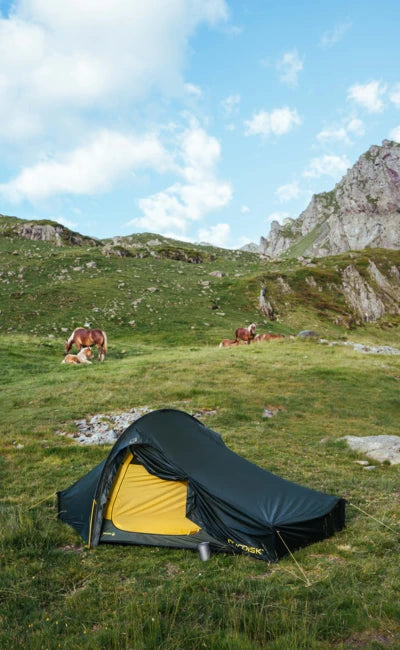
For backpackers and solo adventurers who prioritize minimal weight and pack size, trekking and lightweight tents are an excellent choice. These tents are engineered to be compact and easy to carry, often utilizing advanced materials to achieve a low weight without compromising on durability or weather protection. Our Svalbard 1 SI (2.0) Tent, for example, is a testament to this philosophy, offering reliable shelter in a minimal package. The Telemark 2.2 PU (2.0) Tent is another prime example, renowned for its balance of low weight and robust construction, making it ideal for those who count every gram.
When camping with family or a group, space, comfort, and ease of setup become paramount. Family tents are typically larger, offering ample room for sleeping, storing gear, and even standing upright. They often feature multiple rooms or living areas, providing a more comfortable and organized camping experience. While we offer various options in this category, our larger camping tents, such as the Oppland 3 SI (2.0) Tent, provide generous space and stability for group adventures.
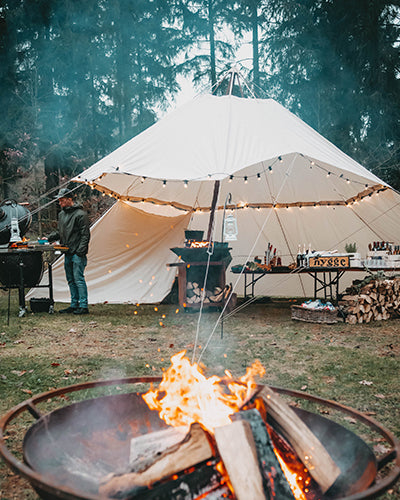
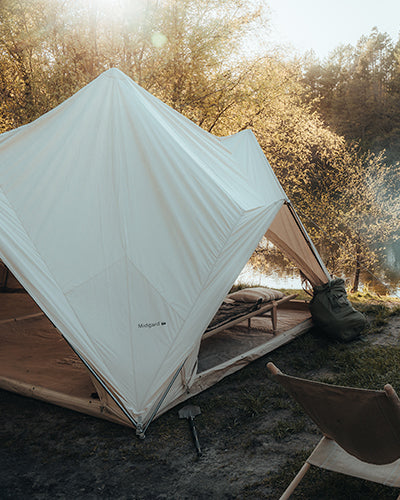
For those who seek a high level of outdoor comfort and style, glamping tents offer a luxurious twist on traditional camping. These tents combine the immersive experience of the outdoors with the amenities and spaciousness of a temporary home. Our collection of glamping tents, including the Ydun Sky 5.5 Glamping Tent and the Utgard Sky 13.2 Glamping Tent, exemplifies this, providing a sophisticated and comfortable base for your outdoor retreats. They are designed with high-quality materials and thoughtful features to create a memorable experience.
Beyond the general type, several specific features and considerations will influence your decision when selecting a tent. Paying attention to these details will help ensure your chosen tent performs well in your intended environment.
The capacity of a tent refers to the number of people it's designed to comfortably accommodate. While a 2-person tent might technically fit two adults, consider whether you also need space for gear, or if you prefer a bit more room to stretch out. For solo adventurers, a 1-person tent like the Svalbard 1 SI (2.0) Tent offers a great balance of space and portability. For groups, scaling up to a 3-person tent or larger will offer more comfort. Always consider extra capacity if you're bringing a lot of gear or prefer more personal space.
Tents are typically rated for different seasons, indicating their suitability for various weather conditions:
Our tents are rigorously tested to ensure they meet the demands of their intended seasonal use, providing you with reliable shelter no matter the forecast.
The materials a tent is made from significantly impact its weight, durability, and weather resistance. At Nordisk, we frequently utilize advanced fabrics to provide strong performance:
We offer PFAS-free options in many of our products, with no intentionally added PFAS in the treatments used. This ensures that our tents are both high-performing and reliable.
Even the most advanced tent can be a challenge to set up if you're not familiar with it. Here are some general tips to ensure a smooth setup:
For more detailed information, specific setup guides are available for many of our tents, such as the Halland 2 PU (2.0) Tent.
Proper maintenance will extend the life of your tent and ensure it's always ready for your next adventure. Here are some essential tips:
Our commitment to quality ensures that with proper care, your Nordisk tent will be a reliable companion for many years to come.
To complement your tent and elevate your outdoor living, Nordisk offers a comprehensive range of accessories:
| Category | Examples |
|---|---|
| Sleeping Systems | Sleeping bags & mats |
| Cookware | Madam Blå Cup |
| Furniture | Torden Wooden Box |
| Storage | Agger Gear Bag |
| Shelter Add-ons | Kari Tech Mini Tarp |
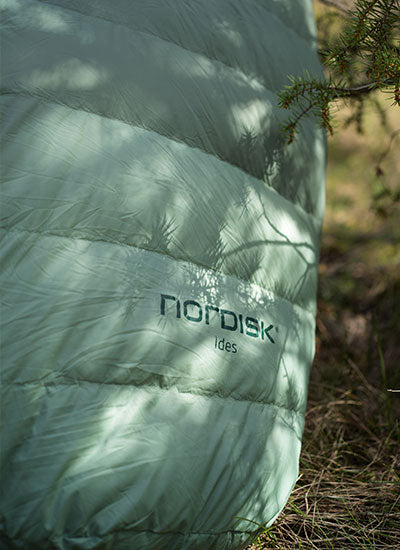
Beyond our various tents, we provide high-quality sleeping bags and mats to ensure you wake up rested and ready for your next adventure. Our bags, backpacks, and accessories include everything from the Yggdrasil Backpack to specialized tent accessories like tarps. For a comfortable experience, consider our selection of pillows, including the Aften Peanut Pillow, to ensure a good night's sleep in any tent.
Since 1901, Nordisk has stood for innovation, quality, and a deep understanding of outdoor needs. We design our tents with an uncompromising focus on comfort, functionality, and durability. Our products are crafted from high-quality materials, including European down in our apparel like the Rai Black jacket (which features Crystal Down Dry® European premium down filling), ensuring reliable insulation and weather protection across our range.
Our goal is to provide reliable gear that supports outdoor living and helps you create unforgettable memories. When you choose a Nordisk tent, you're not just buying a product; you're investing in over a century of expertise, a commitment to quality, and a passion for the outdoors. We also offer free delivery on all orders above €150, with delivery typically within 2-6 days across the EU, making it even easier to get ready for your adventures.
The "best" tent depends entirely on your specific needs. For solo backpacking, a lightweight trekking tent like our Svalbard 1 SI (2.0) Tent is ideal for its packability and low weight. For family holidays, a spacious glamping tent such as the Utgard Sky 13.2 Glamping Tent offers comfort and roominess. Consider factors like group size, weather conditions, and how you'll be traveling (e.g., by car or on foot) to determine the best tent for you.
When choosing a tent, consider the number of people who will be sleeping in it, plus any gear you need to store inside. A general rule of thumb is to add one person to the stated capacity if you want extra space for gear or more comfort. For example, for two people plus gear, a 3-person tent like our Oppland 3 SI (2.0) Tent might be more comfortable than a snug 2-person tent.
Common tent materials include nylon and polyester, often treated with silicone (silnylon) or polyurethane (PU) for water resistance. Each material offers different benefits in terms of weight, durability, and cost. At Nordisk, we use high-quality, often ripstop, versions of these fabrics to ensure our tents are both lightweight and robust. Many of our products are also PFAS-free, with no intentionally added PFAS in the treatments used.
Tent weight is crucial for backpackers because every gram adds to the load you carry. A lighter tent reduces fatigue and allows for more comfortable long-distance treks. Our lightweight tents, such as the Telemark 2.2 PU (2.0) Tent, are specifically designed to minimize weight without sacrificing essential features or weather protection.
A 3-season tent is designed for use in spring, summer, and fall. It provides good ventilation for warmer weather and protection against rain and moderate winds. It's generally not suited for heavy snow or extreme winter conditions, which require a more robust 4-season tent with stronger poles and thicker fabrics for better insulation.
To make your tent last longer, always ensure it is completely clean and dry before storing it. Store it loosely in a breathable bag in a cool, dry place, away from direct sunlight and extreme temperatures. Avoid using harsh chemicals for cleaning. Regularly inspect it for small tears or damage and repair them promptly. Proper care, as detailed in our maintenance section, will keep your Nordisk tent ready for many adventures.
While a tarp can offer minimalist shelter, especially for ultralight trekking, it provides less protection from bugs, wind, and severe weather compared to a fully enclosed tent. A tarp, such as our Kari Tech Mini Tarp, is excellent for adding a sheltered cooking or living area outside your tent, or for very specific, experienced minimalist camping. For most situations, a tent offers superior comfort and protection.
Please fill out the following form to declare your withdrawal from the contract.

Sign up for our newsletter and be among the first to receive news, stories, and much more.