


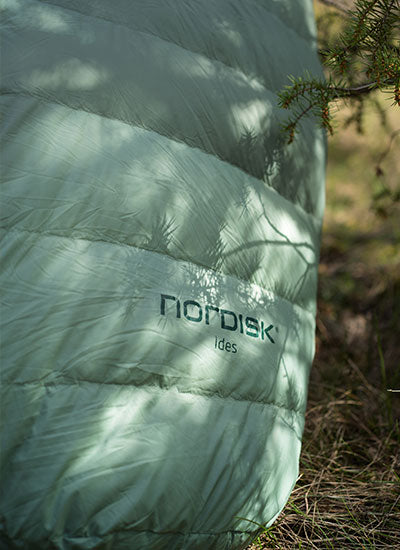



Iver -10° Mummy Sleeping Bag
Forest Night Green
Sale priceFrom €419.95


Iver -10° Mummy Sleeping Bag
Buckthorn Brown
Sale priceFrom €419.95


Walløe -10° Mummy Sleeping Bag
Mood Indigo Blue
Sale priceFrom €709.95


Nansen -15° Mummy Sleeping Bag
Ebony
Sale priceFrom €729.95


Knuth -20° Mummy Sleeping Bag
Forest Night Green
Sale priceFrom €269.95


Knuth -10° Mummy Sleeping Bag
Forest Night Green
Sale priceFrom €239.95


Bjarni -10° Mummy Sleeping Bag
Aegan Blue
Sale priceFrom €179.95
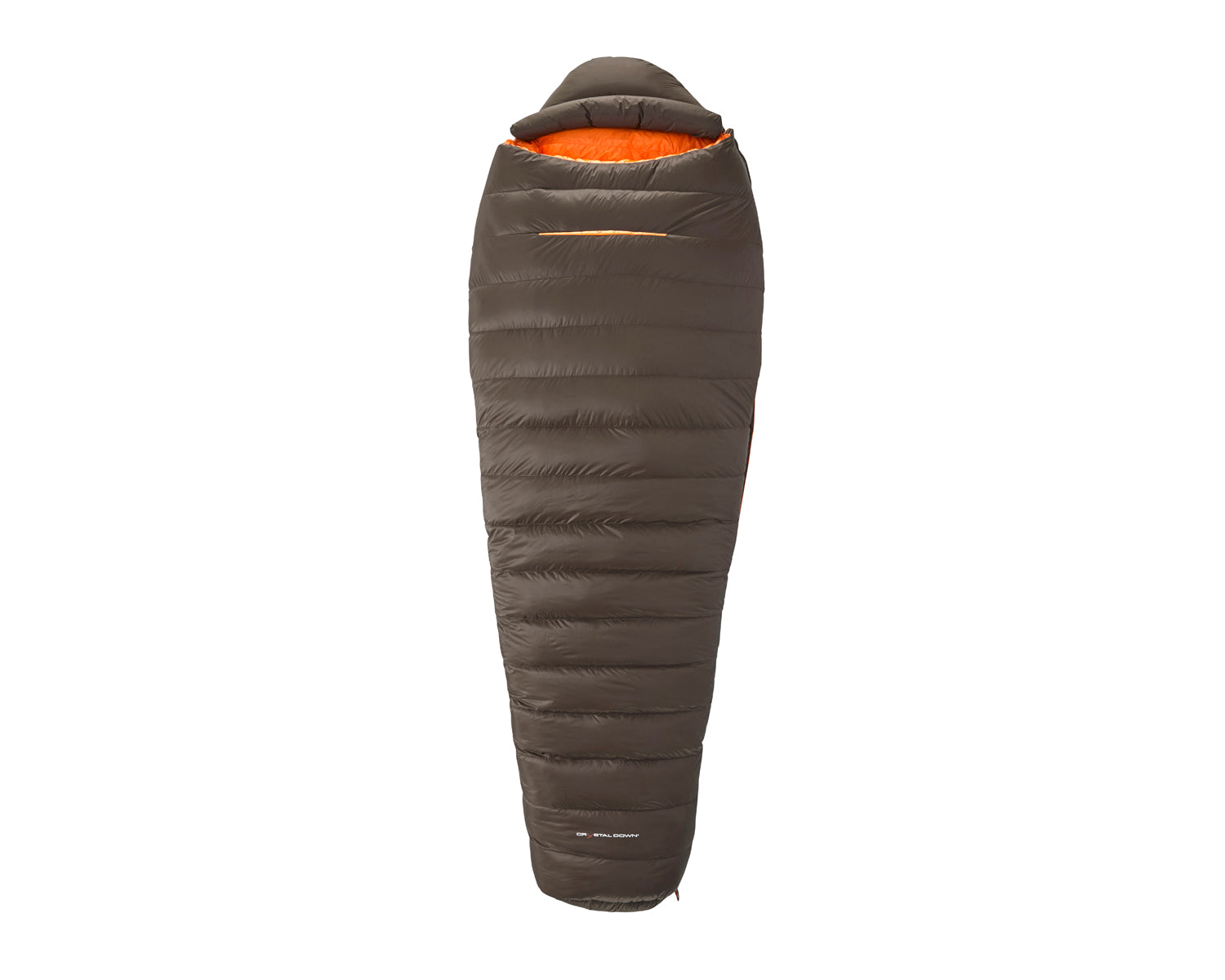
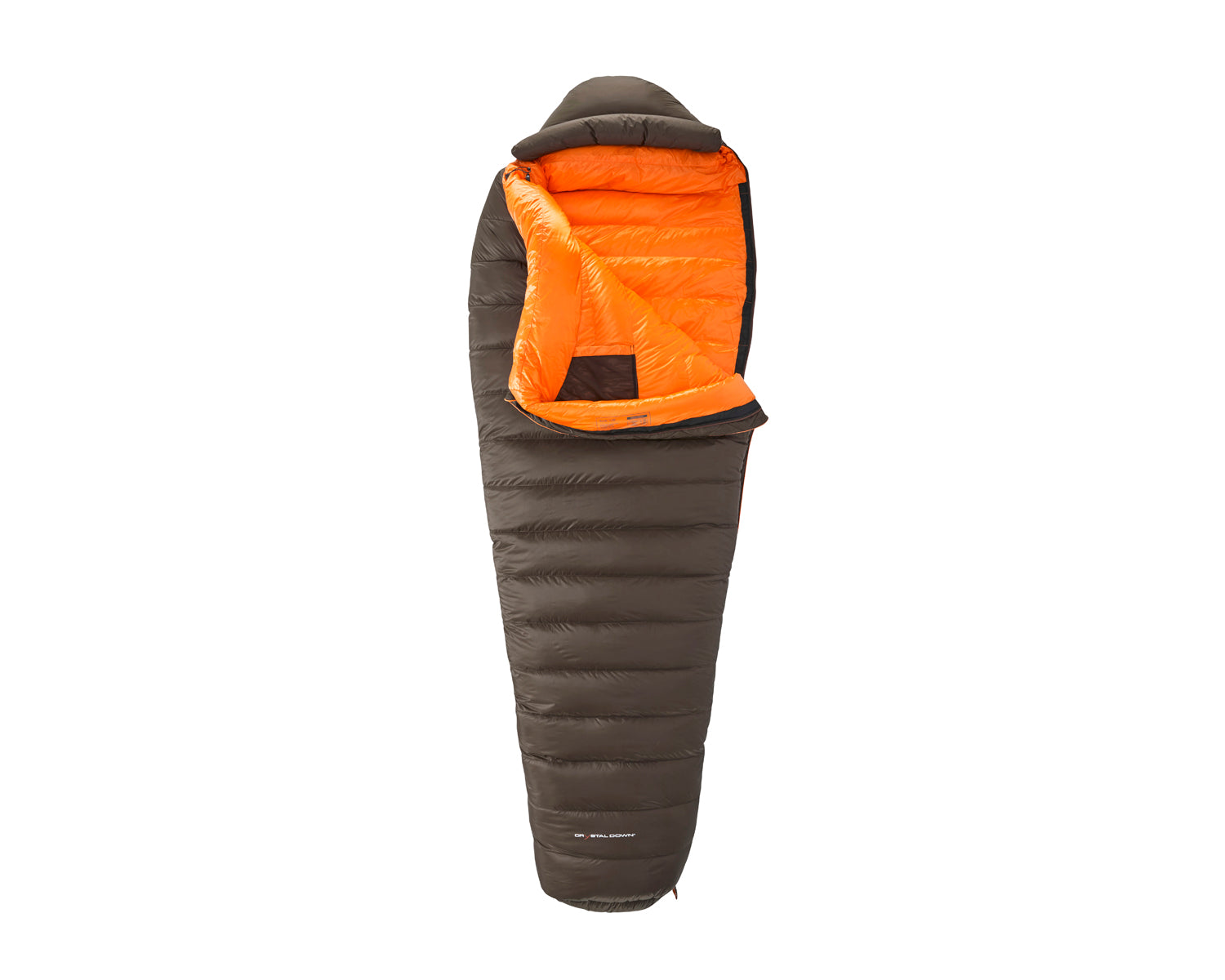
Arctic 1100
Coffee
Sale priceFrom €519.96
Regular price€649.95
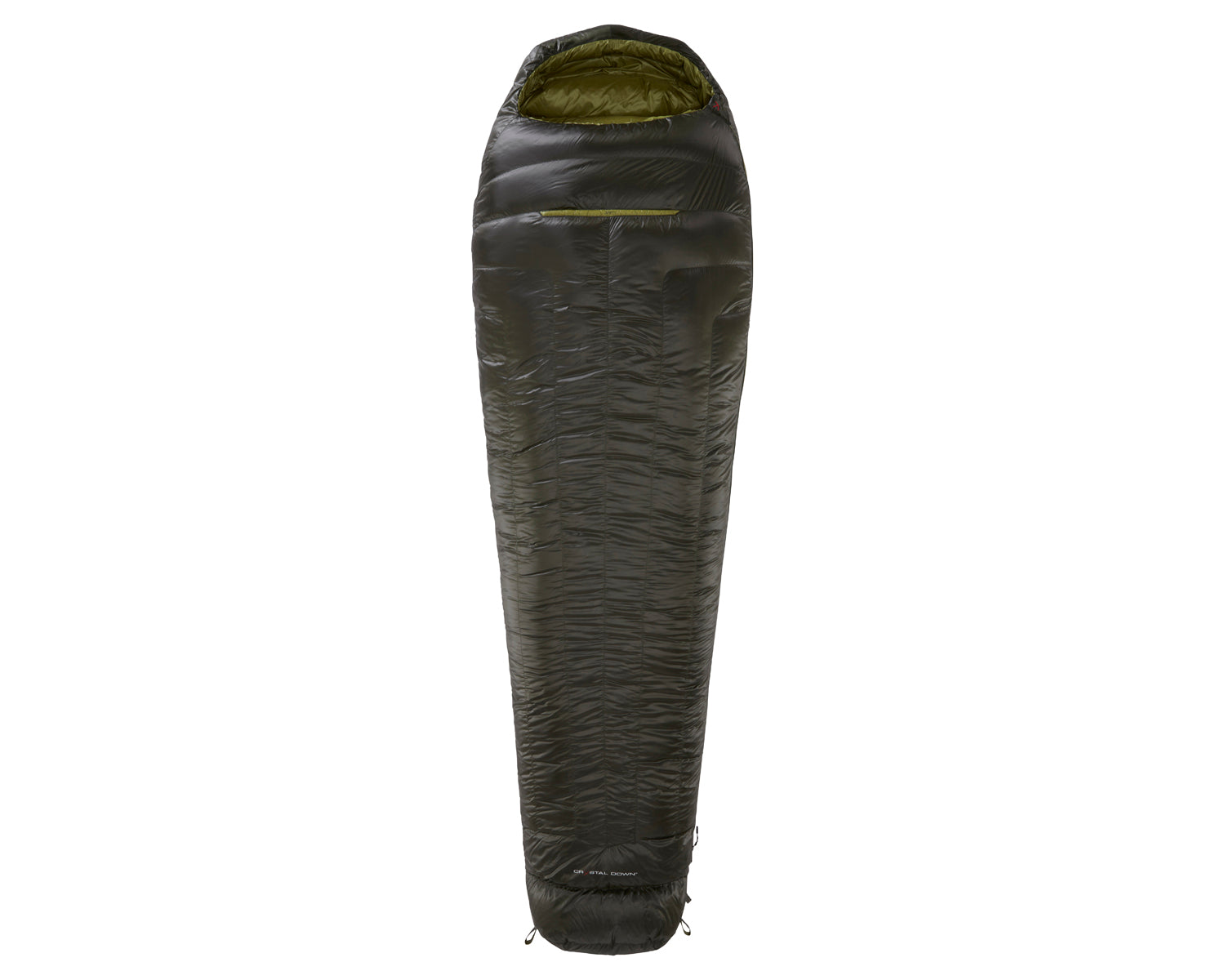
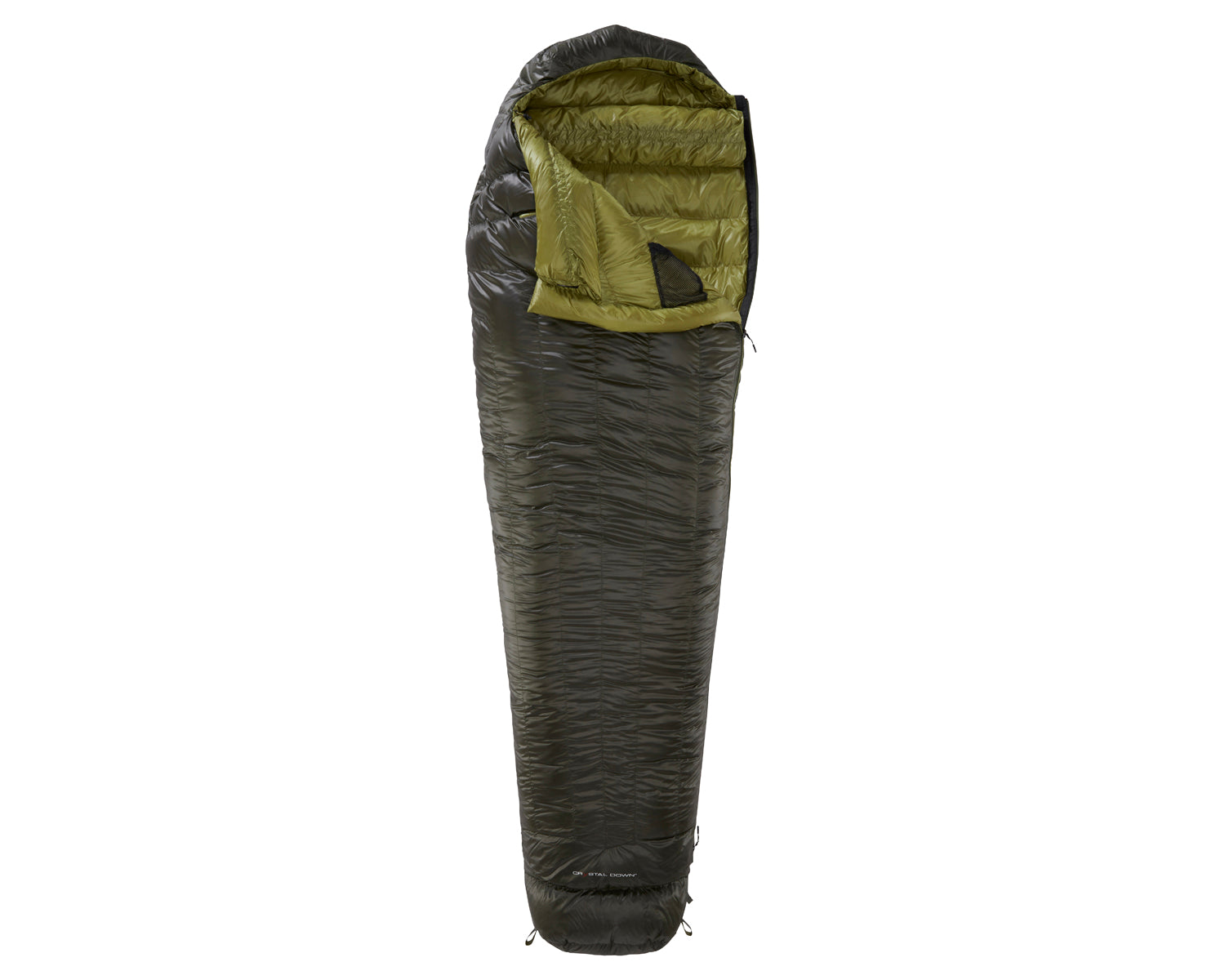
Balance 400
Forest Night Green
Sale priceFrom €300.97
Regular price€429.95


VIB 400 Sleeping Bag
Right Zip | Black
Sale priceFrom €377.97
Regular price€539.95


VIB 400 Sleeping Bag
Left Zip | Black
Sale priceFrom €377.97
Regular price€539.95
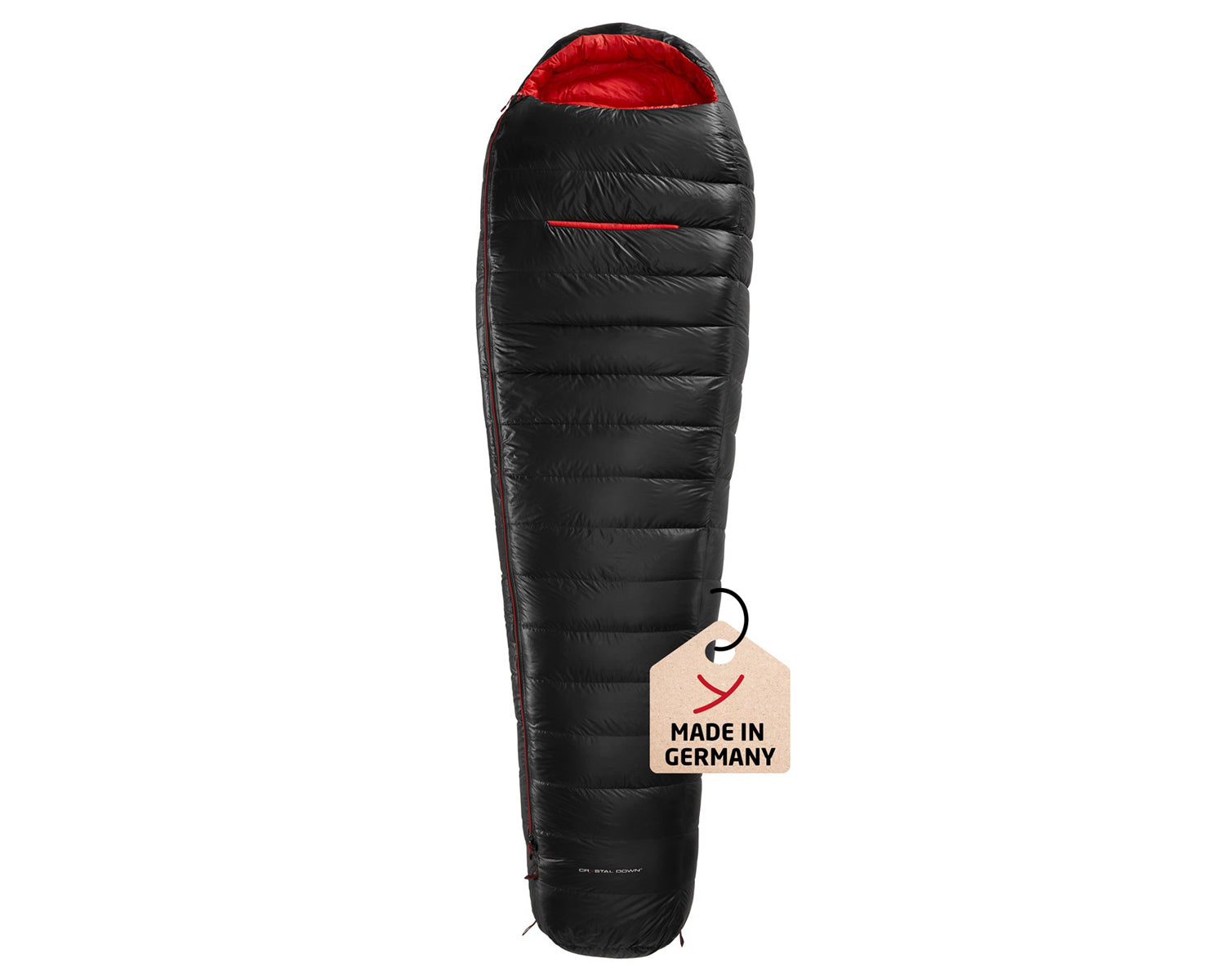
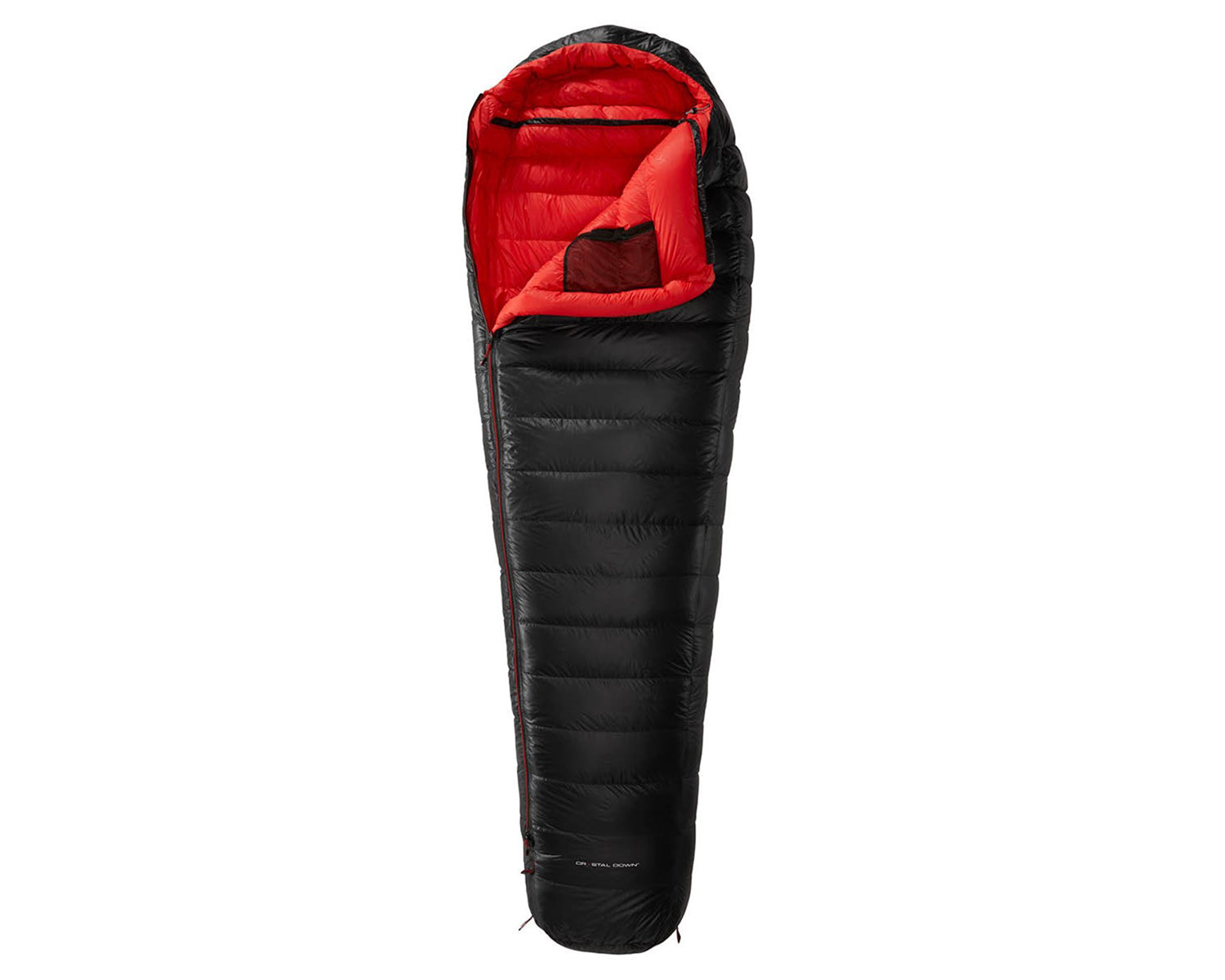
VIB 600 Sleeping Bag
Right Zip | Black
Sale priceFrom €440.97
Regular price€629.95


VIB 600 Sleeping Bag
Left Zip | Black
Sale priceFrom €440.97
Regular price€629.95


VIB 800 Sleeping Bag
Right Zip | Black
Sale priceFrom €517.97
Regular price€739.95


VIB 800 Sleeping Bag
Left Zip | Black
Sale priceFrom €517.97
Regular price€739.95
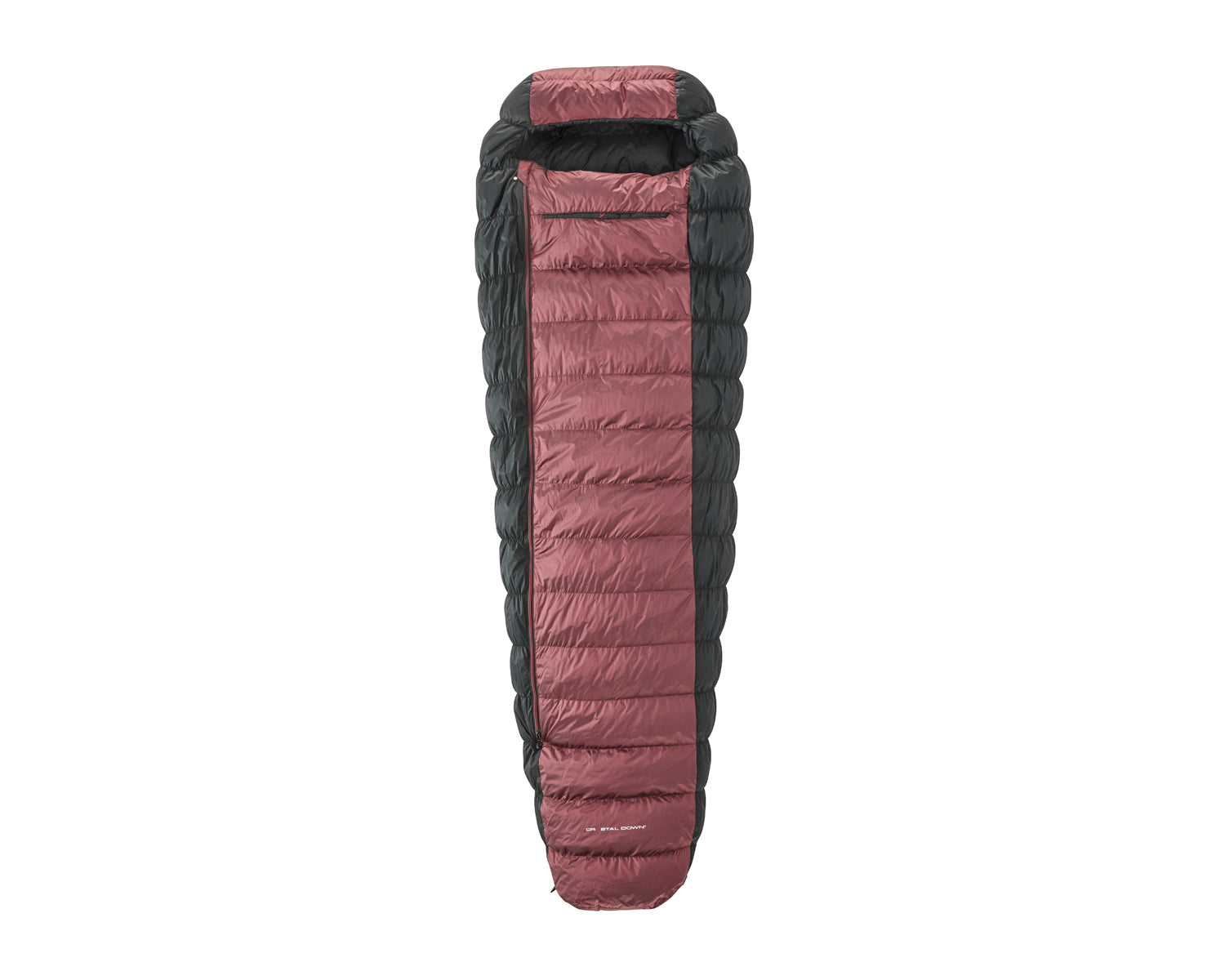
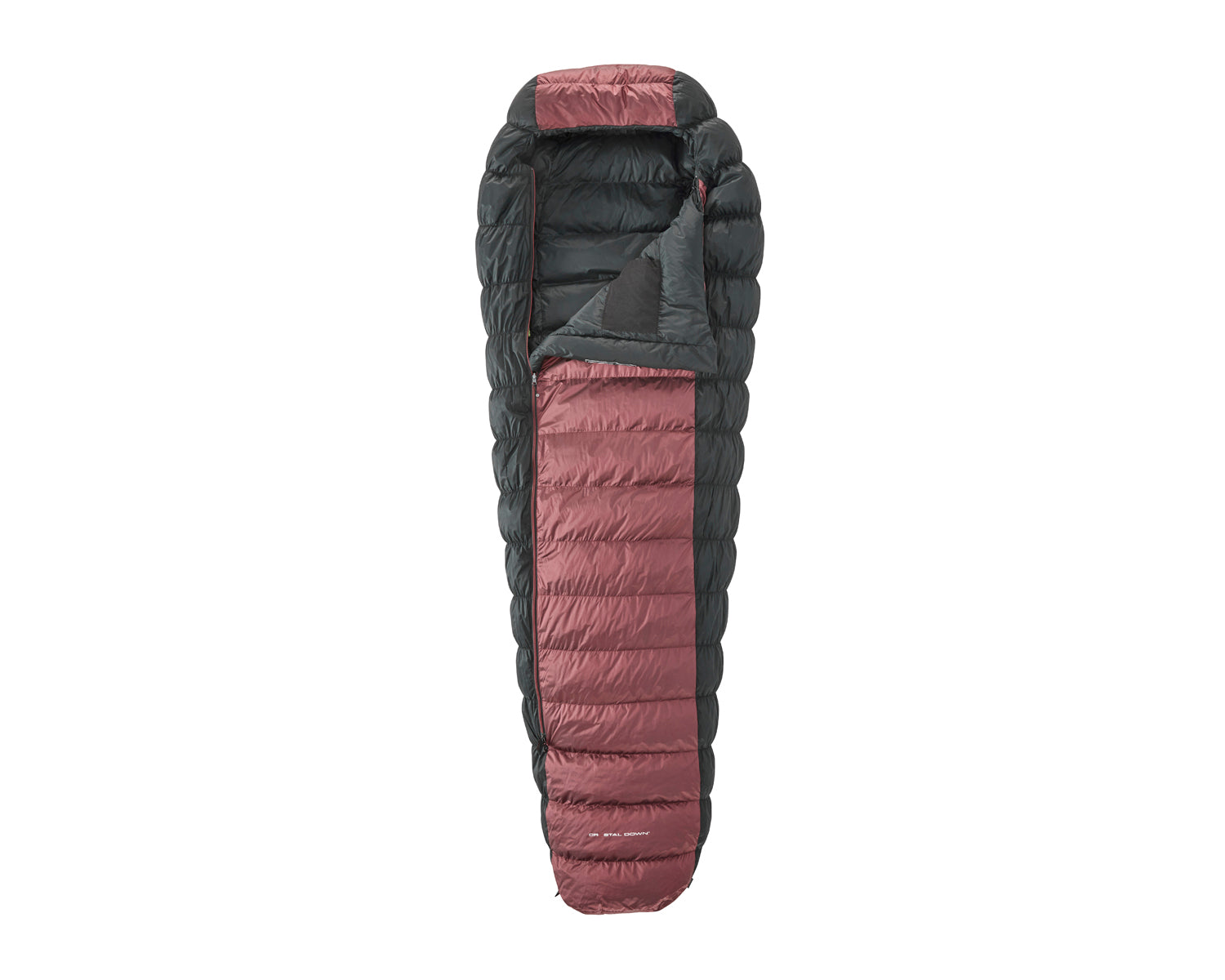
Voyage 500 Sleeping Bag
Right Zip | Ribbon Red
Sale priceFrom €286.97
Regular price€409.95


Voyage 500 Sleeping Bag
Left Zip | Ribbon Red
Sale priceFrom €279.97
Regular price€399.95


Oscar -10° Mummy Sleeping Bag
Rio Red
Sale priceFrom €258.97
Regular price€369.95